Buy stopundshop.eu ?
We are moving the project
stopundshop.eu .
Are you interested in purchasing the domain
stopundshop.eu ?
domain@kv-gmbh.de · 0541-91531010
Buy stopundshop.eu ?
Is computer science a natural science?
Computer science is not considered a natural science, but rather a formal science. Natural sciences, such as biology, chemistry, and physics, study the natural world and its phenomena. In contrast, computer science focuses on the study of algorithms, data structures, and the design and analysis of computational systems. While computer science may draw on principles from mathematics and engineering, it is not classified as a natural science. **
Is computer science or a computer science degree future-proof?
Computer science as a field is considered to be future-proof due to its ever-evolving nature and its relevance in various industries. A computer science degree provides a strong foundation in problem-solving, critical thinking, and technical skills that are highly sought after in today's digital world. With the increasing reliance on technology and the continuous advancements in the field, individuals with a computer science degree are likely to have a wide range of career opportunities and job security in the future. **

Similar search terms for Computer Science
Top-Angebote
Products related to Computer Science:
-
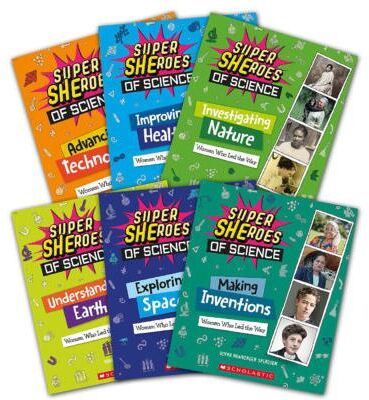
Super SHEroes of Science Value PackThis brand-new series highlights some of the major contributions women have made in the world of science.This set includes:Super SHEroes of Science: Advancing TechnologySuper SHEroes of Science: Exploring SpaceSuper SHEroes of Science: Improving...40,74 $*Shipping: 0,00 $Secure redirect to the provider
-
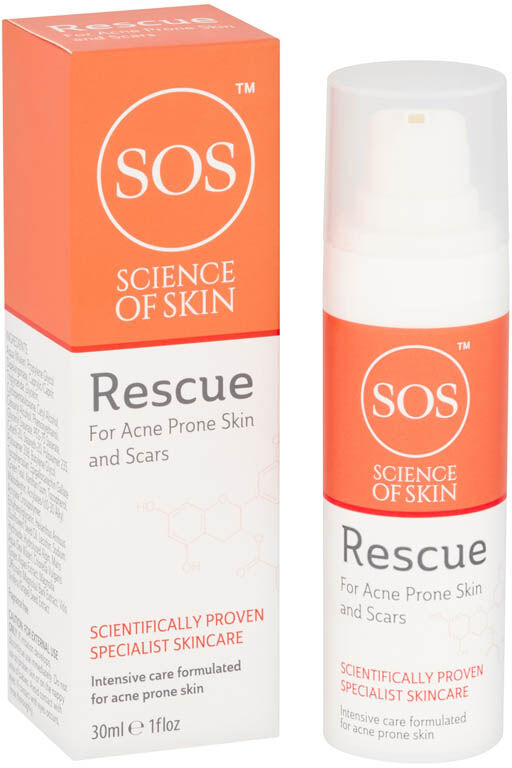
Science of Skin Rescue No.One 30mlScience of Skin Rescue No.One is scientifically proven to reduce and soothe redness and scarring. Specially formulated to combat redness, scarring produced by acne, spots and blemishes with active key ingredient green tea extract (EGCG). Ingredients Aqua (Water), Dipropylene Glycol Diperlargonate, Caprylic/Capric Triglyceride, Glycerin, Cyclopentasiloxane, Cetyl Alcohol, Cetearyl Alcohol, Phenoxyethanol, Glyceryl Stearate, PEG-75Stearate, Ceteth-20, Steareth-20, Poloxamer 235, Poloxamer 338, Butylene Glycol, Tocophersolan, Epigallocatechin Gallate (Green Tea), Xanthan Gum, Tocopherol, Maltodextrin, Acrylates/C10-30 Alkyl Acrylate Crosspolymer, Ethylhexylglycerin, Helianthus Annuus (Sunflower) Seed Oil, Lecithin, Sodium Hydroxide, Hydrolyzed Algin, Maris Aqua (Sea Water), Chlorella Vulgaris (Green Algae) Extract, Magnolia Officinalis (Magnolia) Bark Extract, Vitis Vinifera (Grape) Seed Extract.21,99 £*Shipping: 2,95 £Secure redirect to the provider
-
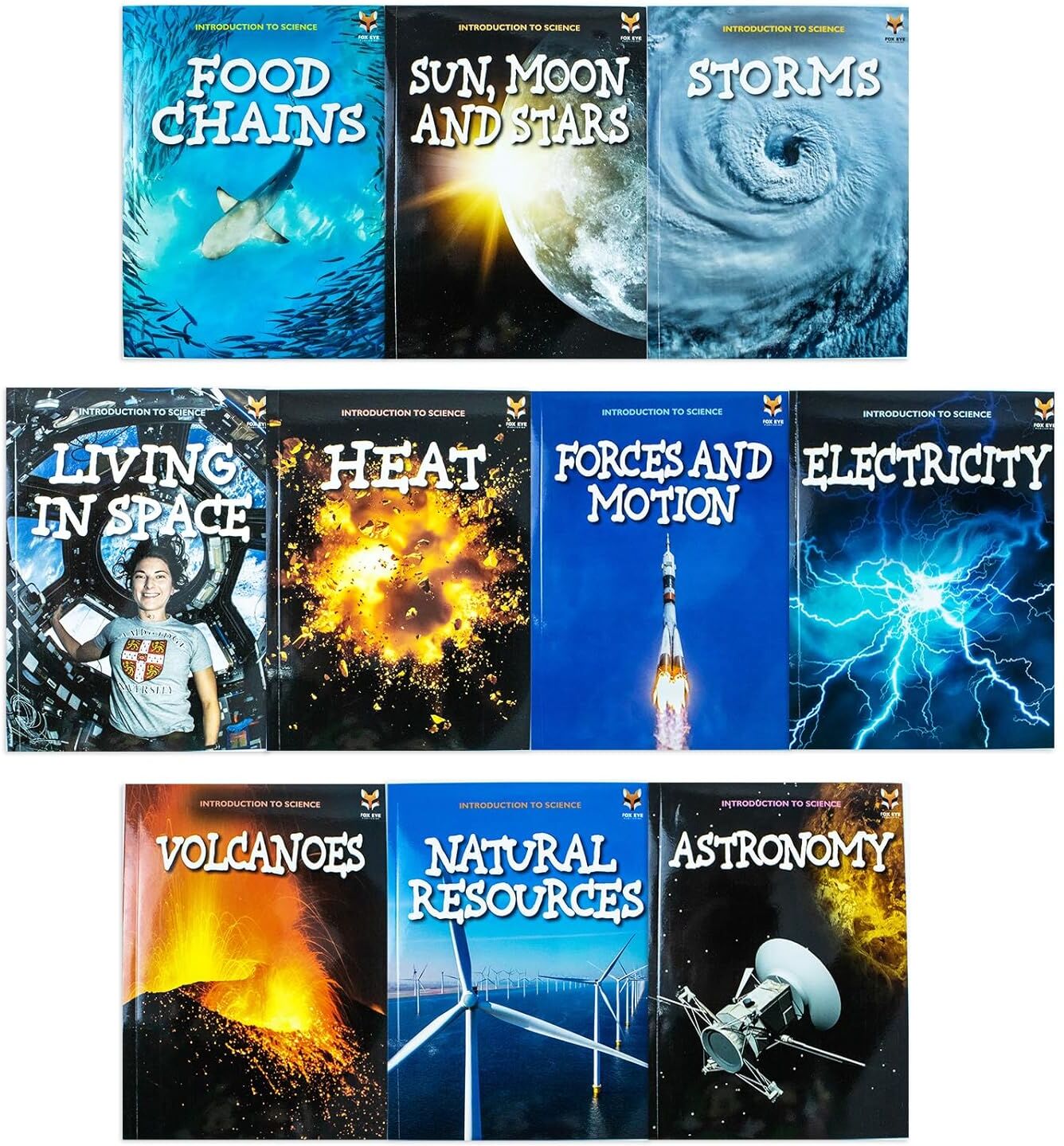
Fox Eye Publishing Introduction to Science for Beginners Series 1 – 10 Books Collection Set – Educational Science CollectionThe 'Introduction to Science Series 1' comprises a comprehensive 10-book set designed to introduce readers to various captivating realms of scientific exploration. Each book within this series delves into a specific area of scientific study, offering an accessible and engaging overview. Introduction to Astronomy: How do people study the stars, planets and other objects in space? Find out the answer to this question and many more inside. Introduction to Electricity: What is electricity and how do we use it? Find out about the amazing power of electricity inside. Introduction to Living in Space: What is it like to live in space? Where do you sleep, what do you eat and how do you work? Find out about the wonders of living in space inside. Introduction to Food Chains: What are food chains and why do we need them? Find out about the amazing world of food chains inside. Introduction to Forces and Motion: What are forces and how do we use them? Find out about the amazing world of forces inside. Introduction to Heat: What is heat and how do we use it? Find out about the amazing power of heat inside. Introduction to Storms: What causes Earth’s fierce storms? Learn the answer to this question and many others inside. Introduction to Sun, Moon and Stars: How are stars created and how did we land on the Moon? Find out about the wonders of our universe inside. Introduction to Volcanoes: Volcanoes can cause terrible destruction, but can also be incredibly useful. Find out more about them inside. Introduction to Natural Resources: What are natural resources and why do we need them? Find out about our amazing world of natural resources inside. This series offers a gateway to scientific knowledge, catering to both beginners and enthusiasts alike, inviting readers on an educational journey through the wonders of our natural world and beyond.9,95 £*Shipping: 2,99 £Secure redirect to the provider
-
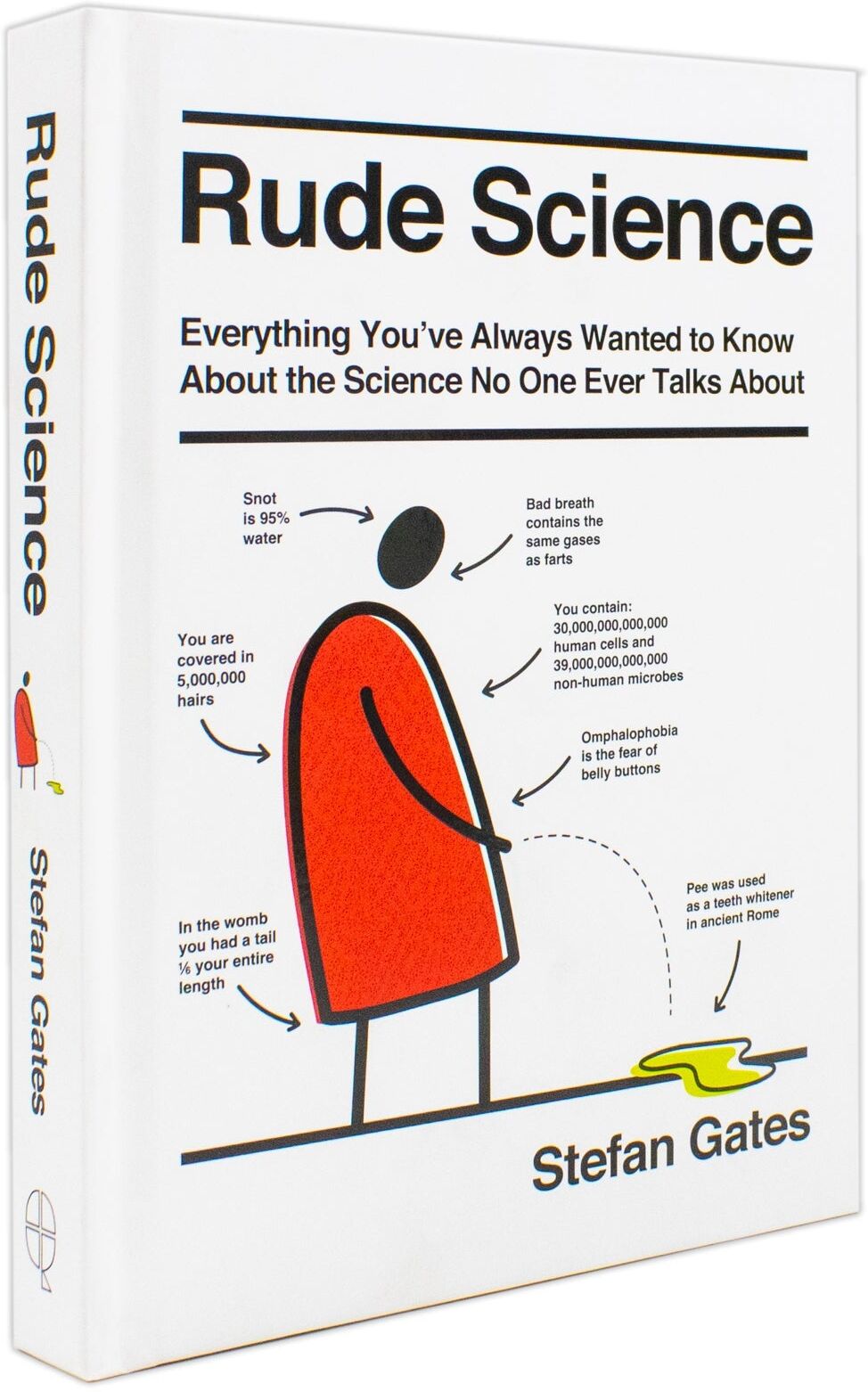
Quadrille Publishing Rude Science: Everything You've Always Wanted to Know About the Science No One Ever Talks AboutScientist and presenter Stefan Gates is back, answering the questions that everyone is too shy to ask! Rude Science follows in the flatulent footsteps of Fartology, taking on those unmentionable body substances with which we're all so familiar, but rarely talk about in polite company. Stefan tackles eternal questions such as: How much snot can a person produce in one day? Why do men have nipples What's ear wax for? What is toe cheese? It's packed with weird and wonderful facts about our bodies and the disgusting gloops and gunks we ooze every single day. Reclaim your bodily functions with fun and scientific facts that will fascinate kids and adults alike.14,00 £*Shipping: 2,99 £Secure redirect to the provider
-
What are the differences between Computer Science and Applied Computer Science?
Computer Science is a broad field that focuses on the theoretical foundations of computation and algorithms, as well as the design and development of software and hardware systems. On the other hand, Applied Computer Science is more focused on the practical application of computer science principles to solve real-world problems. Applied Computer Science often involves working on specific projects or applications, while Computer Science may involve more theoretical research and study. Additionally, Applied Computer Science may require a deeper understanding of specific industries or domains in order to effectively apply computer science concepts. **
-
What are the differences between computer science and applied computer science?
Computer science is a broad field that focuses on the theoretical foundations of computation and information processing, including algorithms, data structures, and programming languages. On the other hand, applied computer science is more focused on the practical application of computer science principles to solve real-world problems. Applied computer science often involves working with specific technologies and tools to develop software applications, systems, or solutions for specific industries or domains. In summary, computer science is more theoretical and foundational, while applied computer science is more practical and focused on real-world applications. **
-
Is computer science or engineering computer science, where is math harder?
Computer science and engineering both require a strong foundation in math, but the level of difficulty may vary depending on the specific focus of the program. In computer science, the math requirements often include discrete mathematics, algorithms, and probability theory, which can be challenging for some students. On the other hand, engineering computer science may involve more applied mathematics, such as calculus, differential equations, and linear algebra, which can also be quite demanding. Ultimately, the level of difficulty in math will depend on the individual's strengths and interests in the specific areas of computer science or engineering. **
-
What is the difference between specialized computer science and computer science?
Specialized computer science refers to a focused area within the broader field of computer science, such as artificial intelligence, cybersecurity, or data science. It involves in-depth study and expertise in a specific aspect of computer science. On the other hand, computer science encompasses a wide range of topics including programming, algorithms, software development, and computer systems. It provides a comprehensive understanding of the principles and theories that underpin computing technology. In summary, specialized computer science delves into a specific area of expertise within the broader field of computer science. **
What is the difference between applied computer science and computer science?
Computer science is a broad field that encompasses the study of algorithms, data structures, programming languages, and the theoretical foundations of computing. It focuses on the principles and theories behind computing systems. On the other hand, applied computer science is the practical application of computer science principles to solve real-world problems. It involves using the knowledge and skills gained from computer science to develop software, design systems, and create solutions for specific applications in various industries. Applied computer science often involves a more hands-on, practical approach to using computer science concepts in real-world scenarios. **
Latin or computer science?
The choice between Latin and computer science ultimately depends on your interests and career goals. If you are interested in language, literature, history, and culture, then Latin may be a good choice for you. On the other hand, if you are interested in technology, programming, and problem-solving, then computer science may be a better fit. Consider your strengths, interests, and future aspirations when making this decision. Both subjects offer valuable skills and knowledge, so it's important to choose the one that aligns with your passions and goals. **
Top-Angebote
Products related to Computer Science:
-
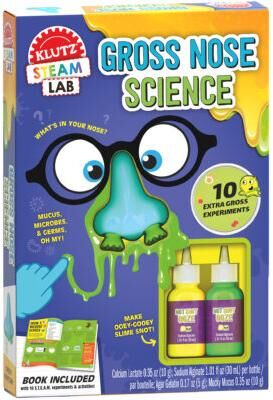
Klutz: Gross Nose ScienceSqueeze slimy snots through a soft and squishy nose! Explore ten different experiments on sinus-based anatomy, make sense of scents with the power of smell, and even whip up a batch of boogers! Learn how snot, mucus, and nose hairs protect your...24,99 $*Shipping: 0,00 $Secure redirect to the provider
-
Youfap Market Fashion Science Fiction Handbag Lamp With Unique Shade For Home Decor Fashion Science Fiction Handbag Lamp With Unique Shade For Home DecorUnique Fashion SciFi Design This Handbag Lamp Shaped Table night light combines a creative and stylish design with functionality, making it a standout addition to your home decor. Its unique handbagshaped shade is a perfect conversation starter for...34,97 $*Shipping: 0,00 $Secure redirect to the provider
-
Super SHEroes of Science Value PackThis brand-new series highlights some of the major contributions women have made in the world of science.This set includes:Super SHEroes of Science: Advancing TechnologySuper SHEroes of Science: Exploring SpaceSuper SHEroes of Science: Improving...40,74 $*Shipping: 0,00 $Secure redirect to the provider
-
Science of Skin Rescue No.One 30mlScience of Skin Rescue No.One is scientifically proven to reduce and soothe redness and scarring. Specially formulated to combat redness, scarring produced by acne, spots and blemishes with active key ingredient green tea extract (EGCG). Ingredients Aqua (Water), Dipropylene Glycol Diperlargonate, Caprylic/Capric Triglyceride, Glycerin, Cyclopentasiloxane, Cetyl Alcohol, Cetearyl Alcohol, Phenoxyethanol, Glyceryl Stearate, PEG-75Stearate, Ceteth-20, Steareth-20, Poloxamer 235, Poloxamer 338, Butylene Glycol, Tocophersolan, Epigallocatechin Gallate (Green Tea), Xanthan Gum, Tocopherol, Maltodextrin, Acrylates/C10-30 Alkyl Acrylate Crosspolymer, Ethylhexylglycerin, Helianthus Annuus (Sunflower) Seed Oil, Lecithin, Sodium Hydroxide, Hydrolyzed Algin, Maris Aqua (Sea Water), Chlorella Vulgaris (Green Algae) Extract, Magnolia Officinalis (Magnolia) Bark Extract, Vitis Vinifera (Grape) Seed Extract.21,99 £*Shipping: 2,95 £Secure redirect to the provider
-
Is computer science a natural science?
Computer science is not considered a natural science, but rather a formal science. Natural sciences, such as biology, chemistry, and physics, study the natural world and its phenomena. In contrast, computer science focuses on the study of algorithms, data structures, and the design and analysis of computational systems. While computer science may draw on principles from mathematics and engineering, it is not classified as a natural science. **
-
Is computer science or a computer science degree future-proof?
Computer science as a field is considered to be future-proof due to its ever-evolving nature and its relevance in various industries. A computer science degree provides a strong foundation in problem-solving, critical thinking, and technical skills that are highly sought after in today's digital world. With the increasing reliance on technology and the continuous advancements in the field, individuals with a computer science degree are likely to have a wide range of career opportunities and job security in the future. **
-
What are the differences between Computer Science and Applied Computer Science?
Computer Science is a broad field that focuses on the theoretical foundations of computation and algorithms, as well as the design and development of software and hardware systems. On the other hand, Applied Computer Science is more focused on the practical application of computer science principles to solve real-world problems. Applied Computer Science often involves working on specific projects or applications, while Computer Science may involve more theoretical research and study. Additionally, Applied Computer Science may require a deeper understanding of specific industries or domains in order to effectively apply computer science concepts. **
-
What are the differences between computer science and applied computer science?
Computer science is a broad field that focuses on the theoretical foundations of computation and information processing, including algorithms, data structures, and programming languages. On the other hand, applied computer science is more focused on the practical application of computer science principles to solve real-world problems. Applied computer science often involves working with specific technologies and tools to develop software applications, systems, or solutions for specific industries or domains. In summary, computer science is more theoretical and foundational, while applied computer science is more practical and focused on real-world applications. **
Similar search terms for Computer Science
-
Fox Eye Publishing Introduction to Science for Beginners Series 1 – 10 Books Collection Set – Educational Science CollectionThe 'Introduction to Science Series 1' comprises a comprehensive 10-book set designed to introduce readers to various captivating realms of scientific exploration. Each book within this series delves into a specific area of scientific study, offering an accessible and engaging overview. Introduction to Astronomy: How do people study the stars, planets and other objects in space? Find out the answer to this question and many more inside. Introduction to Electricity: What is electricity and how do we use it? Find out about the amazing power of electricity inside. Introduction to Living in Space: What is it like to live in space? Where do you sleep, what do you eat and how do you work? Find out about the wonders of living in space inside. Introduction to Food Chains: What are food chains and why do we need them? Find out about the amazing world of food chains inside. Introduction to Forces and Motion: What are forces and how do we use them? Find out about the amazing world of forces inside. Introduction to Heat: What is heat and how do we use it? Find out about the amazing power of heat inside. Introduction to Storms: What causes Earth’s fierce storms? Learn the answer to this question and many others inside. Introduction to Sun, Moon and Stars: How are stars created and how did we land on the Moon? Find out about the wonders of our universe inside. Introduction to Volcanoes: Volcanoes can cause terrible destruction, but can also be incredibly useful. Find out more about them inside. Introduction to Natural Resources: What are natural resources and why do we need them? Find out about our amazing world of natural resources inside. This series offers a gateway to scientific knowledge, catering to both beginners and enthusiasts alike, inviting readers on an educational journey through the wonders of our natural world and beyond.9,95 £*Shipping: 2,99 £Secure redirect to the provider
-
Quadrille Publishing Rude Science: Everything You've Always Wanted to Know About the Science No One Ever Talks AboutScientist and presenter Stefan Gates is back, answering the questions that everyone is too shy to ask! Rude Science follows in the flatulent footsteps of Fartology, taking on those unmentionable body substances with which we're all so familiar, but rarely talk about in polite company. Stefan tackles eternal questions such as: How much snot can a person produce in one day? Why do men have nipples What's ear wax for? What is toe cheese? It's packed with weird and wonderful facts about our bodies and the disgusting gloops and gunks we ooze every single day. Reclaim your bodily functions with fun and scientific facts that will fascinate kids and adults alike.14,00 £*Shipping: 2,99 £Secure redirect to the provider
-
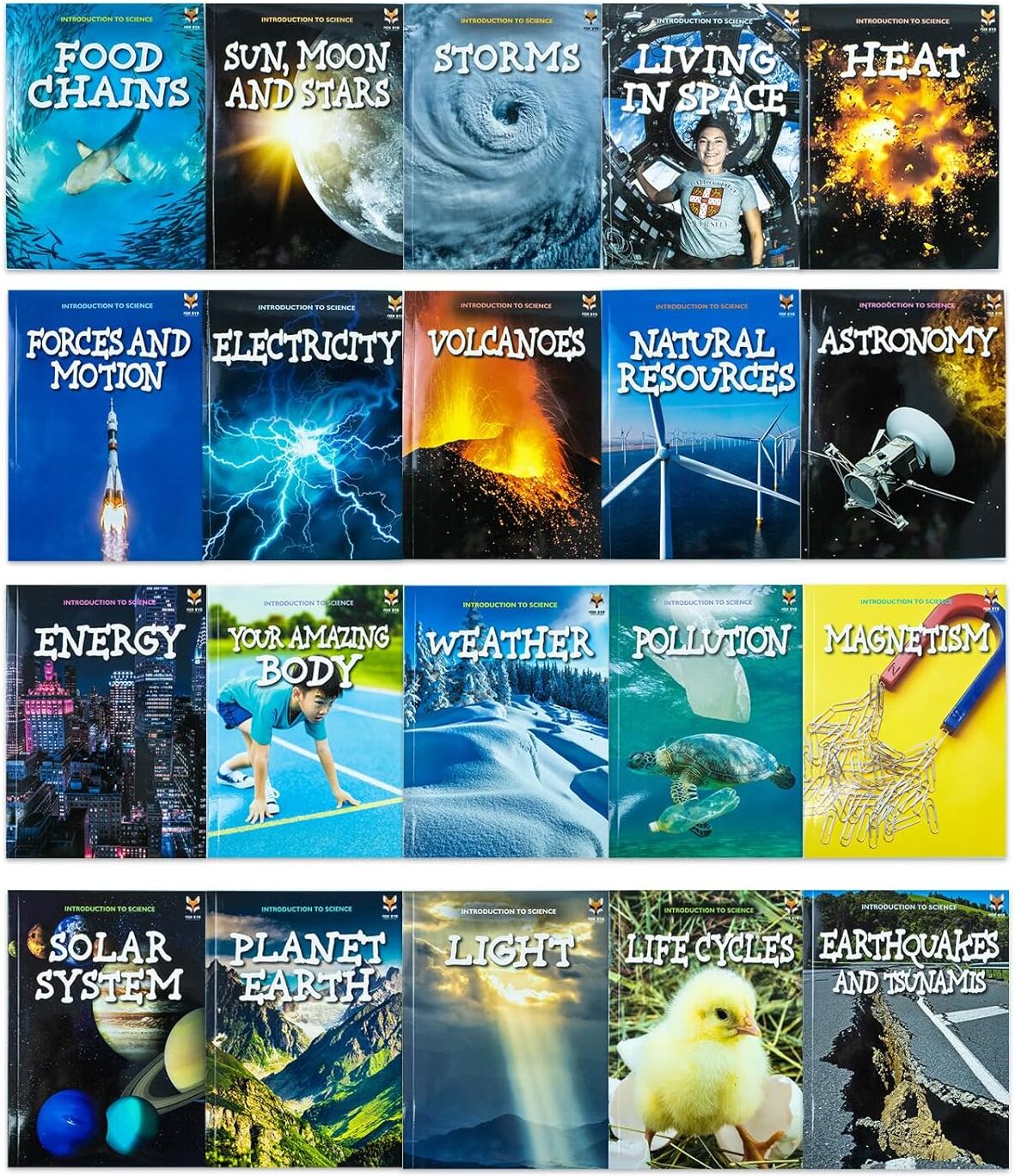
Fox Eye Publishing Introduction to Science for Beginners 20 Books Collection Box Set – Educational Science Collection for KidsIntroduction to Science for Beginners 20 Books Collection Box Set (Astronomy, Electricity, Food Chains, Forces and Motion, Heat,Natural Resources,Living in Space, Storms, Sun Moon and Stars & More) Books in This Collection: Introduction to Astronomy Introduction to Electricity Introduction to Food Chains Introduction to Forces and Motion Introduction to Heat IIntroduction to Natural Resources Introduction to Living in Space Introduction to Storms Introduction to Sun, Moon and Stars Introduction to Volcanoes Introduction to Energy Introduction to Life Cycles Introduction to Light Introduction to Magnetism Introduction to Pollution Introduction to Planet Earth Introduction to Earthquakes and Tsunamis Introduction to Solar System Introduction to Weather Introduction to Your Amazing Body14,99 £*Shipping: 2,99 £Secure redirect to the provider
-
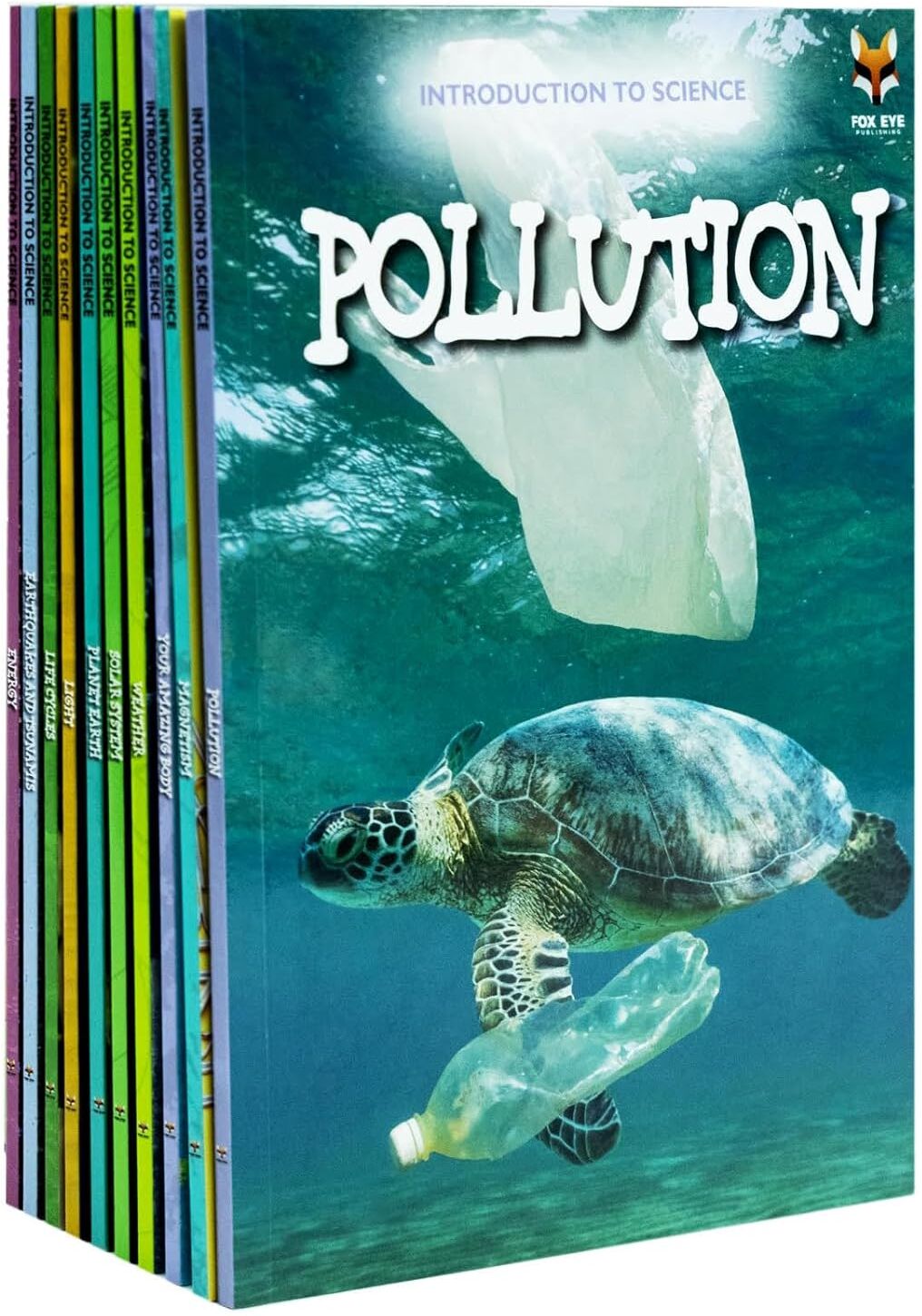
Fox Eye Publishing Introduction to Science for Beginners Series 2 – 10 Books Collection Set – Educational Science Learning CollectionThe 'Introduction to Science Series 2' comprises a comprehensive 10-book set that delves into fundamental scientific concepts across various domains. Each book offers an accessible and engaging exploration of its specific topic, making science approachable for learners of all levels. Here's a breakdown of the titles included: Introduction to Energy: What is energy and how do we use it? Find out about the amazing power of energy inside. Introduction to Earthquakes and Tsunamis: What are earthquakes and tsunamis and what causes them? Find out the answers to these questions and many more inside. Introduction to Planet Earth: Our Earth has amazing rivers, sky-scraping mountains, hot deserts and more! Find out more about it inside. Introduction to Solar System: What is a solar system and what is in our Solar System? Find out the answer to this question and many more inside. Introduction to Weather: How is weather made and how do we study and measure it? Find out about our amazing world of weather inside. Introduction to Life Cycles: What are life cycles and how do they work? Find out about the amazing world of life cycles inside. Introduction to Light: What is light and how do we use it? Find out about the amazing power of light inside. Introduction to Magnetism: What is magnetism and how do we use it? Find out about the amazing force of magnetism inside. Introduction to Your Amazing Body: What awesome things happen inside your body every day? Find out about your amazing body inside. Introduction to Pollution: What is pollution and how is it damaging our world? Find out about pollution and what we can do to stop it inside. This series serves as an invaluable resource, offering a gateway to scientific knowledge and fostering a profound appreciation for the wonders of the natural world while promoting an understanding of key scientific principles.9,99 £*Shipping: 2,99 £Secure redirect to the provider
-
Is computer science or engineering computer science, where is math harder?
Computer science and engineering both require a strong foundation in math, but the level of difficulty may vary depending on the specific focus of the program. In computer science, the math requirements often include discrete mathematics, algorithms, and probability theory, which can be challenging for some students. On the other hand, engineering computer science may involve more applied mathematics, such as calculus, differential equations, and linear algebra, which can also be quite demanding. Ultimately, the level of difficulty in math will depend on the individual's strengths and interests in the specific areas of computer science or engineering. **
-
What is the difference between specialized computer science and computer science?
Specialized computer science refers to a focused area within the broader field of computer science, such as artificial intelligence, cybersecurity, or data science. It involves in-depth study and expertise in a specific aspect of computer science. On the other hand, computer science encompasses a wide range of topics including programming, algorithms, software development, and computer systems. It provides a comprehensive understanding of the principles and theories that underpin computing technology. In summary, specialized computer science delves into a specific area of expertise within the broader field of computer science. **
-
What is the difference between applied computer science and computer science?
Computer science is a broad field that encompasses the study of algorithms, data structures, programming languages, and the theoretical foundations of computing. It focuses on the principles and theories behind computing systems. On the other hand, applied computer science is the practical application of computer science principles to solve real-world problems. It involves using the knowledge and skills gained from computer science to develop software, design systems, and create solutions for specific applications in various industries. Applied computer science often involves a more hands-on, practical approach to using computer science concepts in real-world scenarios. **
-
Latin or computer science?
The choice between Latin and computer science ultimately depends on your interests and career goals. If you are interested in language, literature, history, and culture, then Latin may be a good choice for you. On the other hand, if you are interested in technology, programming, and problem-solving, then computer science may be a better fit. Consider your strengths, interests, and future aspirations when making this decision. Both subjects offer valuable skills and knowledge, so it's important to choose the one that aligns with your passions and goals. **
* All prices are inclusive of VAT and, if applicable, plus shipping costs. The offer information is based on the details provided by the respective shop and is updated through automated processes. Real-time updates do not occur, so deviations can occur in individual cases. ** Note: Parts of this content were created by AI.